

Slowest Century in ODI History (Updated 2026): Top 10 Slowest Hundreds Ever
One Day International (ODI) cricket talks about enterprising, zippy batting that scores more than anything. But cricket does have a rich history of memorable innings when batsmen had to compromise aggression and think about surviving. And with difficult wickets, a surfeit of top-quality bowling attacks egging on a pure price of persistence, it usually needed the batters to defend their wickets initially and normalize. Few of those knocks would have excited boundary-starved fans, but they demonstrated the importance of temperament and technique. Here is an updated list of the top 10 slowest centuries in ODI cricket (including corresponding statistics & match summaries).
Top 10 Slowest Century in ODI History
| Rank | Player | Team | Runs | Balls to 100 | Opponent | Year |
| 1 | David Hemp | Scotland | 102 | 166 | Kenya | 2009 |
| 2 | Ramnaresh Sarwan | West Indies | 100 | 160 | India | 2007 |
| 3 | Geoff Marsh | Australia | 110 | 158 | New Zealand | 1992 |
| 4 | Graeme Smith | South Africa | 102 | 157 | Bangladesh | 2008 |
| 5 | Misbah-ul-Haq | Pakistan | 107* | 155 | West Indies | 2013 |
| 6 | Michael Atherton | England | 108* | 154 | Pakistan | 1992 |
| 7 | Gordon Greenidge | West Indies | 102* | 152 | England | 1988 |
| 8 | Tamim Iqbal | Bangladesh | 130 | 151 | Zimbabwe | 2010 |
| 9 | Upul Tharanga | Sri Lanka | 101 | 150 | Zimbabwe | 2011 |
| 10 | Sachin Tendulkar | India | 100 | 148 | Kenya | 1999 |
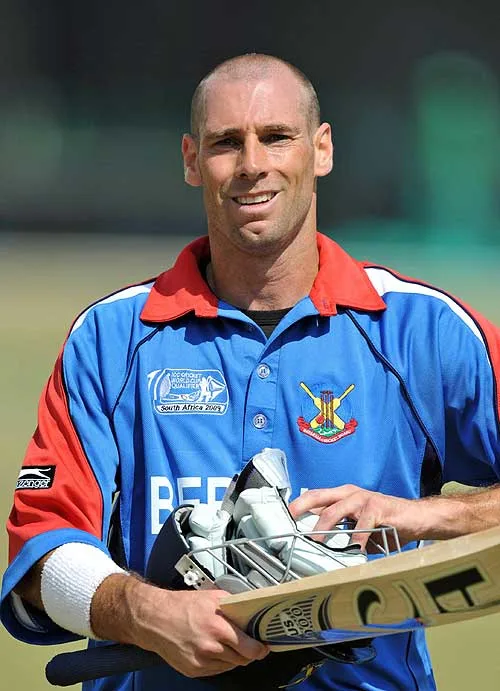
1. David Hemp – 102 vs Kenya (166 Balls)
| Match Stats | Details |
| Runs | 102 |
| Balls Faced | 169 |
| Balls to Century | 166 |
| Fours | 8 |
| Sixes | 0 |
| Strike Rate | 60.35 |
| Opponent | Kenya |
| Year | 2009 |
The slowest century in the history of ODIs is David Hemp, who hit it off 166 balls against Kenya. Hemp settled in on a tricky surface, looking more to protect his wicket and work the ball around than attack. Hardi hit them in singles and twos, taking his time as Scotland’s batting struggled to accelerate. But despite the low strike rate, it is still one of the most ‘disciplined’ centuries ever scored in ODI cricket.
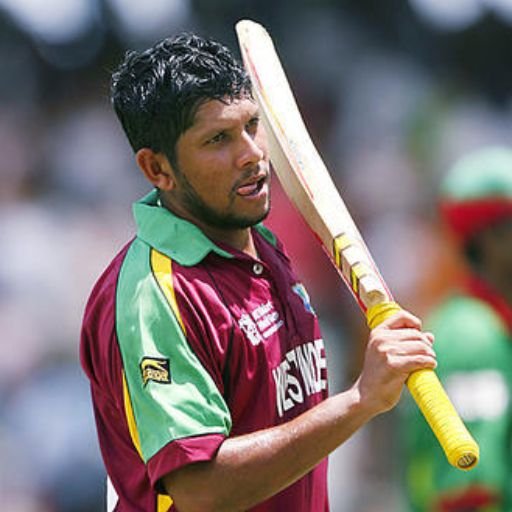
2. Ramnaresh Sarwan – 100 vs India (160 Balls)
| Match Stats | Details |
| Runs | 100 |
| Balls Faced | 160 |
| Balls to Century | 160 |
| Fours | 5 |
| Sixes | 0 |
| Strike Rate | 62.50 |
| Opponent | India |
| Year | 2007 |
Against a disciplined Indian bowling attack, Ramnaresh Sarwan was able to complete one of the slowest ODI hundreds. Wickets were tumbling regularly, and he had made it his job to rebuild this innings and keep West Indies competitive. It was the perfect illustration of the importance of adapting to match conditions as his century lacked any power hitting.
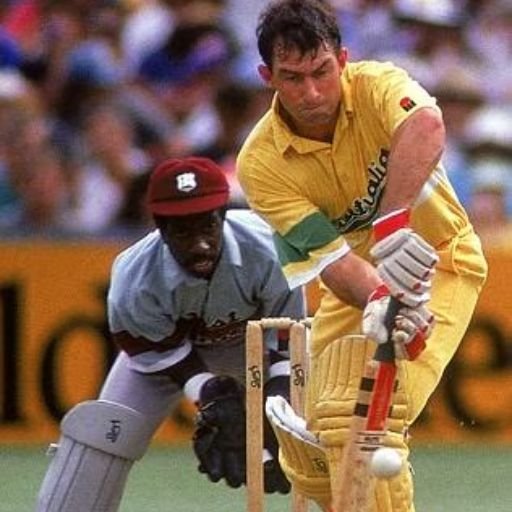
3. Geoff Marsh – 110 vs New Zealand (158 Balls)
| Match Stats | Details |
| Runs | 110 |
| Balls Faced | 162 |
| Balls to Century | 158 |
| Fours | 7 |
| Sixes | 0 |
| Strike Rate | 67.90 |
| Opponent | New Zealand |
| Year | 1992 |
This inning (and Marsh’s batting style) characteristically gave the start Australian openers were known for stable. Marsh batted with circumspect early before kicking on and fulfilling his century from 158 balls, as he traded caution for acceleration against New Zealand’s disciplined group. His innings and performance provided an excellent platform for Australia, while also showing why classical opening batting was so prized in the early ODIs.
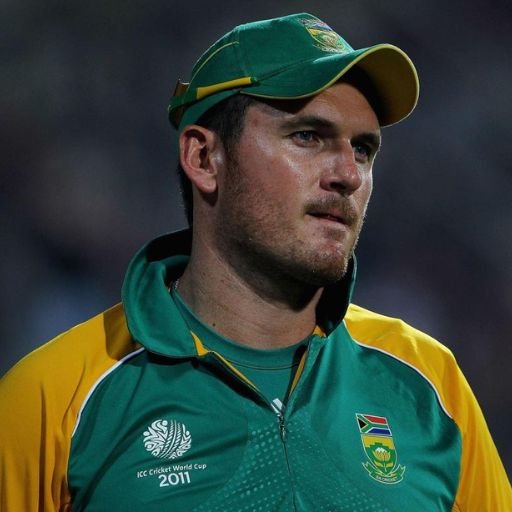
4. Graeme Smith – 102 vs Bangladesh (157 Balls)
| Match Stats | Details |
| Runs | 102 |
| Balls Faced | 159 |
| Balls to Century | 157 |
| Fours | 9 |
| Sixes | 0 |
| Strike Rate | 64.15 |
| Opponent | Bangladesh |
| Year | 2008 |
Playing against a comparatively low-key side like Bangladesh, in 157 balls, also one of these centuries was that of former South African captain Graeme Smith. It was a pitch that made run-scoring hard, and Smith instead grounded himself in solid defence and sensible rotation of the strike. South Africa struggled in terms of run rate through the innings but managed to set a reasonable target thanks to his experience and leadership.
5. Misbah-ul-Haq – 107* vs West Indies (155 Balls)
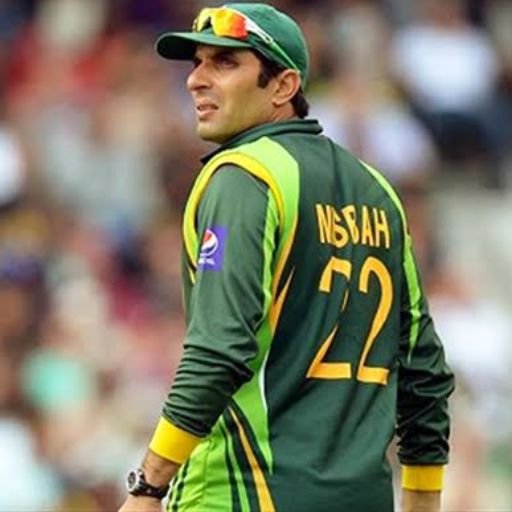
| Match Stats | Details |
| Runs | 107* |
| Balls Faced | 167 |
| Balls to Century | 155 |
| Fours | 5 |
| Sixes | 1 |
| Strike Rate | 64.07 |
| Opponent | West Indies |
| Year | 2013 |
Misbah-ul-Haq was known for his unruffled nature in panic situations, and that posture is displayed well during this undismissed ton. Pakistan lost a few early wickets and the captain had to rebuild the innings. His hundred came off 155 balls, and the composure and measuredness of his innings was crucial in taking Pakistan to a gettable total.
6. Michael Atherton – 108* vs Pakistan (154 Balls)
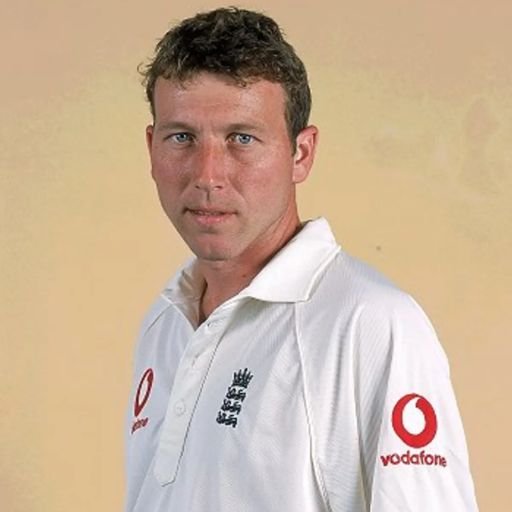
| Match Stats | Details |
| Runs | 108* |
| Balls Faced | 161 |
| Balls to Century | 154 |
| Fours | 6 |
| Sixes | 0 |
| Strike Rate | 67.08 |
| Opponent | Pakistan |
| Year | 1992 |
Michael Atherton was patient facing a world-class bowling attack from Pakistan. His hundred came off 154 balls, and England prioritised long stands over quick runs. It showcased Atherton’s quality defensive technique, something that enabled him to chew up the crease for long periods of time in conditions as trying as this one.
7. Gordon Greenidge – 102* vs England (152 Balls)

| Match Stats | Details |
| Runs | 102* |
| Balls Faced | 154 |
| Balls to Century | 152 |
| Fours | 8 |
| Sixes | 0 |
| Strike Rate | 66.23 |
| Opponent | England |
| Year | 1988 |
Gordon Greenidge, who in many ways defined the expansive opening batsman, was nothing if not a consummate professional and adaptable to Boxing Day pitches like this. And he needed 152 balls for his century, which was superbly constructed and proved that he can play according to the situation. The innings showed that even attacking players sometimes needed to show restraint in order to get over the line.
8. Tamim Iqbal – 130 vs Zimbabwe (151 Balls)
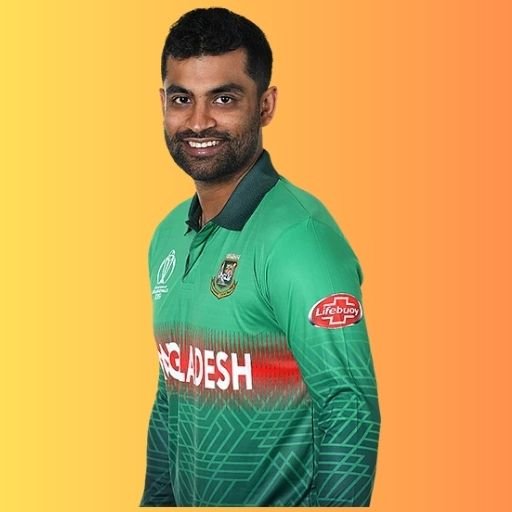
| Match Stats | Details |
| Runs | 130 |
| Balls Faced | 160 |
| Balls to Century | 151 |
| Fours | 11 |
| Sixes | 1 |
| Strike Rate | 81.25 |
| Opponent | Zimbabwe |
| Year | 2010 |
Tamim Iqbal grew steadily before exploding after reaching his century. Tamim had to be calm himself, as his country desired stability at the top, and the batsman obliged with an innings high on patience but low on risk. It was one of Bangladesh’s best ODIs, but with the slowest century ever, his 130.
9. Upul Tharanga – 101 vs Zimbabwe (150 Balls)
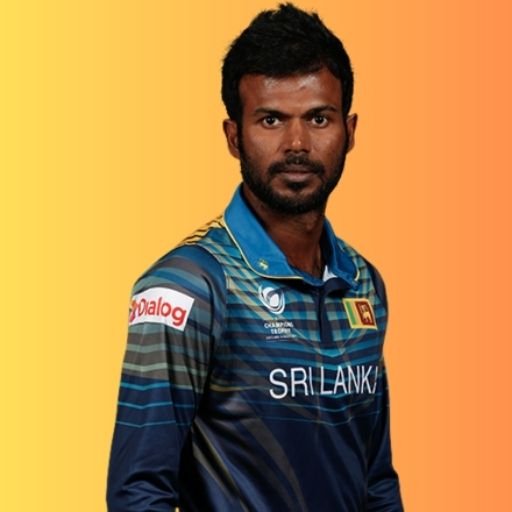
| Match Stats | Details |
| Runs | 101 |
| Balls Faced | 153 |
| Balls to Century | 150 |
| Fours | 7 |
| Sixes | 0 |
| Strike Rate | 66.01 |
| Opponent | Zimbabwe |
| Year | 2011 |
For Sri Lanka, up against Zimbabwe, it was the opener Upul Tharanga who achieved that feat with an innings of constructive hundred. On a sluggish track, he took no risks and just focused on partnerships. Sri Lanka kept a tight hold on through his patient knock before the middle order accelerated right at the end of the innings.
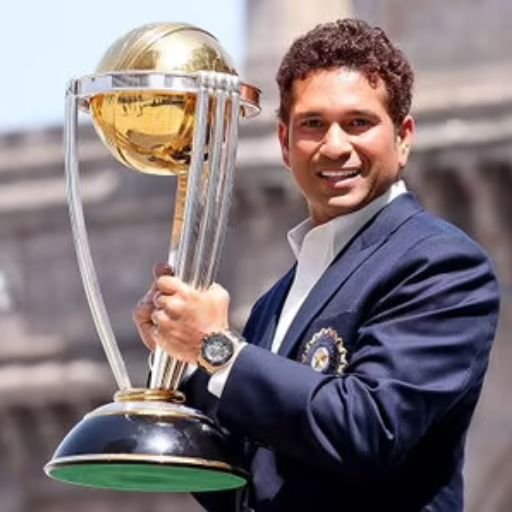
10. Sachin Tendulkar – 100 vs Kenya (148 Balls)
| Match Stats | Details |
| Runs | 100 |
| Balls Faced | 151 |
| Balls to Century | 148 |
| Fours | 10 |
| Sixes | 1 |
| Strike Rate | 66.22 |
| Opponent | Kenya |
| Year | 1999 |
Sachin Tendulkar’s century against Kenya during the 3rd place play-off of the 1999 Cricket World Cup was scored under truly emotional circumstances and Schön at fight. The legendary Indian cricketer concentrated on batting deep in the innings, and he took 148 deliveries to his century. After getting his eye in, he quickly accelerated the scoring and steered India to a crucial win.
Other Cricket Players: Harleen Deol | Krunal Pandya | Rahul Dravid | Lasith Malinga
Why Do Slow Centuries Happen in ODI Cricket?
Here are a few reasons for slow centuries in ODI cricket:
- Difficult or slow batting pitches.
- High-quality bowling attacks.
- Early loss of wickets.
- Strategic approach by the team – Batting through the visitors’ innings.
- Large playing arenas decrease boundary options.
- You are well aware of the exact era when wickets in hand are what matters more than runs on board.
Fastest vs Slowest ODI Century
| Record | Player | Balls |
| Fastest ODI Century | AB de Villiers | 31 |
| Slowest ODI Century | David Hemp | 166 |
FAQs about slowest century in ODI history
Who has the slowest century in ODI history?
David Hemp of Scotland holds the record after taking 166 balls to score a century against Kenya in 2009.
Which Indian player has one of the slowest ODI centuries?
Sachin Tendulkar reached his century in 148 balls against Kenya during the 1999 ODI World Cup.
Why are slow centuries important?
They often come in difficult conditions where staying at the crease is more valuable than scoring quickly. Many such innings have helped teams recover from early collapses or post competitive totals.
What is the fastest ODI century?
AB de Villiers holds the record for the fastest ODI century, reaching the milestone in just 31 balls against West Indies.
Conclusion
The slowest-ever century in ODIs, it is a testimony to the power of patience next to the power of muscle in limited-overs cricket. Whereas a lot of parlance around ODI batting tends to focus on aggressive stroke play nowadays, innings from the likes of David Hemp, Ramnaresh Sarwan, Geoff Marsh, Graeme Smith, Misbah-ul-Haq (more recently), Michael Atherton (even more so in the past!) Gordon Greenidge, Tamim Iqbal, Upul Tharanga and Sachin Tendulkar have shown us that very often adapting to conditions is what is required. Such iconic hundreds will always have a special spot in the annals of ODI cricket, blending resistance or poise or indeed extreme concentration.
Also Explore: Highest Wicket Taker in World Cup | Most Runs in International Cricket in All Formats